


Purchase Zithromax Without Prescription
To Order Zithromax Over The Counter Visit Our Pharmacy ↓
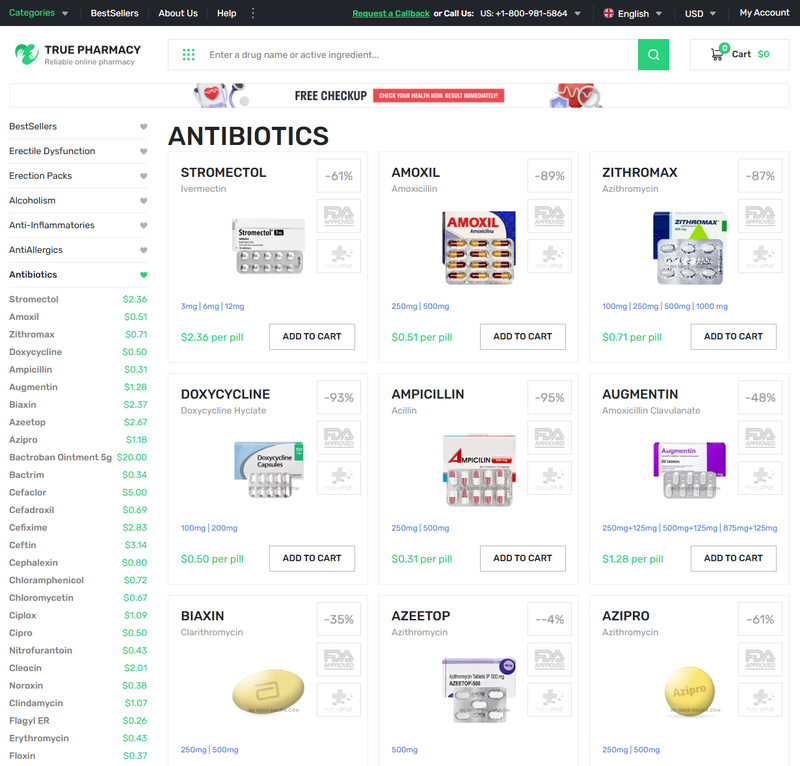
Zithromax is commonly used to treat respiratory tract infections, including pneumonia, sinusitis, and bronchitis
Zithromax, also known as azithromycin, is a macrolide antibiotic that combats bacterial infections by inhibiting protein synthesis. It belongs to a class of medications called macrolides and works by inhibiting the growth of bacteria. This medication is known for its effectiveness in treating respiratory infections, as well as common travel-related illnesses like traveler's diarrhea, which can be caused by bacterial infections. Given the potential for these less common side effects, it's essential for patients and healthcare providers to maintain open communication. Common side effects can include nausea, diarrhea, abdominal pain, and vomiting. Understanding Zithromax's Mechanism: Zithromax, also known as Azithromycin, is a macrolide antibiotic that fights bacteria in the body. Overall, Zithromax is a highly effective antibiotic with a broad range of benefits.
Speedy Recovery: Experience the Rapid Healing Power of Zithromax
The antibiotic quickly gained worldwide recognition because it has a unique ability to kill various strains of bacteria, including those that have become resistant to other antibiotics. Trends in patient preferences have revealed a noticeable inclination towards medications offering convenient dosage schedules, like Zithromax, which results in improved adherence. Always consult a healthcare professional to ensure the dosage is appropriate for your specific situation, taking into account any other medications being taken to avoid potential interactions. However, amidst this worrisome scenario, Zithromax emerges as a promising option in the fight against antibiotic resistance.As one of the most frequently prescribed antibiotics, Zithromax offers a unique mechanism of action that sets it apart from traditional antibiotics. It is also important to avoid taking Zithromax for conditions it is not designed to treat, such as viral infections like the common cold or flu. In the same vein, ciprofloxacin, a fluoroquinolone, is utilized for urinary tract and gastrointestinal infections. For sexually transmitted infections such as chlamydia and gonorrhea, the dosage may vary depending on the severity and type of infection.
Unveiling Zithromax: More Than Just an Antibiotic
Additionally, prompt treatment may reduce the risk of spreading the infection to others. It is crucial to seek medical attention immediately if any severe side effects or unusual symptoms occur while taking Zithromax. It's commonly prescribed for respiratory infections, ear infections, and most notably for traveler's diarrhea, which can be caused by various bacterial pathogens. For children, the dosage is based on their weight and usually ranges from 5mg to 20mg per kilogram of body weight per day. Changes in membrane permeability also play a role; alterations in the bacterial cell membrane can prevent azithromycin from entering the cell in sufficient quantities. However, if it is already time for the next dose, do not double the dose to make up for the missed one. The antibiotic's mechanism that inhibits bacterial protein synthesis has also been found to affect the parasite’s ability to reproduce, thereby revealing its antimalarial properties.
Proper Usage of Zithromax
Furthermore, Zithromax has demonstrated anti-inflammatory properties, which can help reduce the severity of symptoms associated with Lyme disease. However, if a traveler experiences severe or persistent symptoms, they should consult a healthcare provider. However, despite its effectiveness in treating respiratory infections, there are some potential downsides to taking Zithromax. It is important to take the drug exactly as prescribed, following the prescribed dosing schedule and completing the entire course of treatment, even if symptoms improve before the medication is finished. Understanding these guidelines helps ensure the medication performs as intended, maximizing its therapeutic benefits while minimizing risks. With its broad spectrum of activity, convenience in dosing, and minimal side effects, Zithromax has become an essential tool in the arsenal of every traveler seeking to stay healthy and enjoy their journey to the fullest. Additionally, its ability to accumulate within tissues and cells results in effective eradication of intracellular pathogens, a feat not matched by all antibiotics.
Common Drugs to Avoid
Being vigilant and reacting swiftly to these signs can significantly mitigate health risks, ensuring that the benefits of taking Zithromax outweigh the potential drawbacks. However, as with any medication, Zithromax also has potential side effects. If you have any questions about Zithromax, this article is a great resource to learn more about this medication. 1) Understanding Zithromax: Zithromax, also known as azithromycin, is an antibiotic used to treat a range of bacterial infections. Remember, before starting any medication, it is essential to consult a healthcare professional to determine the appropriate dosage and usage guidelines based on individual needs and circumstances. Zithromax, also known as azithromycin, has emerged as a game-changer in this fight. Zithromax, also known as azithromycin, is a type of antibiotic that dominates the market for several reasons.
Understanding the Dosage and Administration of Zithromax
Zithromax is also frequently used to treat skin and soft tissue infections, including cellulitis and impetigo. Zithromax is highly effective in treating respiratory infections, which is a significant breakthrough in the field of medicine, particularly for patients with chronic respiratory conditions. Such success stories offer hope to those seeking an effective solution for their acne troubles. When considering the side effects and safety of Zithromax, it's important to be aware of both common and more rare concerns. In this article, we will explore the battle of antibiotics and compare Zithromax to other options, considering factors such as effectiveness, side effects, and potential risks. As a broad-spectrum antibiotic, Zithromax works by inhibiting the growth of bacteria, thereby offering a potential solution to tackle a wide range of infections caused by drug-resistant organisms. One notable advantage of this antibiotic is that it only takes a short time to complete the treatment regime, typically lasting between three to five days, depending on the type of infection being treated.
Weighing the Evidence: Zithromax's Benefits and Limits
The evolving landscape of antibiotic research holds great promise for the continued relevance and effectiveness of Zithromax in the medical field. This includes its history, benefits, and risks. Finding effective antibiotics that can combat these resistant strains is crucial in the battle against antibiotic resistance. From respiratory tract infections to skin and soft tissue infections, Zithromax has been proven to be highly effective. Zithromax stands out from the rest due to its several benefits over other antibiotics. Understanding the problem is essential in order to effectively combat it. Zithromax belongs to the macrolide class of antibiotics and is used to treat bacterial infections such as bronchitis, pneumonia, and sexually transmitted diseases.
Why Zithromax Should be Your First Choice for Respiratory Infections
The typical one-time or short-duration dosing lessens the chance of skipped doses, a common issue with longer antibiotic courses. We will delve into the controversy surrounding this medication and provide a comprehensive understanding of its risks and benefits. Zithromax is especially effective against respiratory infections caused by certain bacteria, providing relief from symptoms and helping to clear up the infection. In this article, we will explore the differences between Zithromax and Amoxicillin, as well as their effectiveness and side effects. Many patients taking zithromax report experiencing digestive disturbances, notably nausea and diarrhea. Zithromax specifically targets the bacteria that cause respiratory infections, including Streptococcus pneumoniae, Haemophilus influenzae, and Moraxella catarrhalis. Some of the common side effects of Zithromax overdose include nausea, vomiting, diarrhea, abdominal pain, and skin rash.
Side Effects: How Zithromax Compares
🛡️💊 Broad-spectrum antibiotics, with their ability to target a wide variety of bacteria, stand as the swiss army knives of infection control, offering a powerful initial punch in scenarios where the bacterial culprit is unknown. The article aims to provide a more detailed and nuanced understanding of the drug, addressing common concerns about its safety, side effects, and effectiveness. Zithromax, also known as azithromycin, is a commonly prescribed antibiotic for bacterial infections. Zithromax, also known as azithromycin, has made a significant impact on a global scale, reaching millions of people in various parts of the world. This can lead to higher rates of compliance and, subsequently, more effective treatment outcomes. Interestingly, despite these concerns, the convenience offered by Zithromax's dosage schedule often tips the scales in its favor, marking a signifcant advance in antibiotic therapy. Its versatility makes it a treatment option for a wide range of bacterial infections.
Spectrum of Activity: Zithromax and Common Infections Treated
However, there are many misconceptions about the safety of this medication. This led to a breakthrough in treating infectious diseases, especially those caused by drug-resistant bacteria, and became a game-changer for medical professionals. Zithromax is particularly effective against respiratory infections, skin infections, and sexually transmitted diseases. One distinct edge Zithromax holds over many antibiotics is its tissue penetration and prolonged half-life, which enables shorter and less frequent dosing regimens. Additionally, overusing antibiotics may lead to antibiotic resistance, which can be a serious concern for public health. This quick response is due to Zithromax's ability to quickly target and destroy the bacteria or microorganisms causing the infection. By having such a comprehensive coverage, Zithromax can be a valuable tool in the fight against antibiotic resistance.
Female cialis OnlineOrder Tadalista OnlineBuy Prednisone Britain
Sign Up!
Become a Gilligan's VIP Today!
Sign up to receive information about discounts and special events featured at Gilligan's Seafood.
Our Locations
Beaufort
2601 Boundary Street
Beaufort, SC 29901
843-379-2244
Johns Island
160 Main Road
Johns Island, SC 29455
843-766-2244
Moncks Corner
582 Dock Road
At the dock
Moncks Corner, SC 29461
843-761-2244
Summerville
3852 Ladson Road
Ladson, SC 29456
843-821-2244
